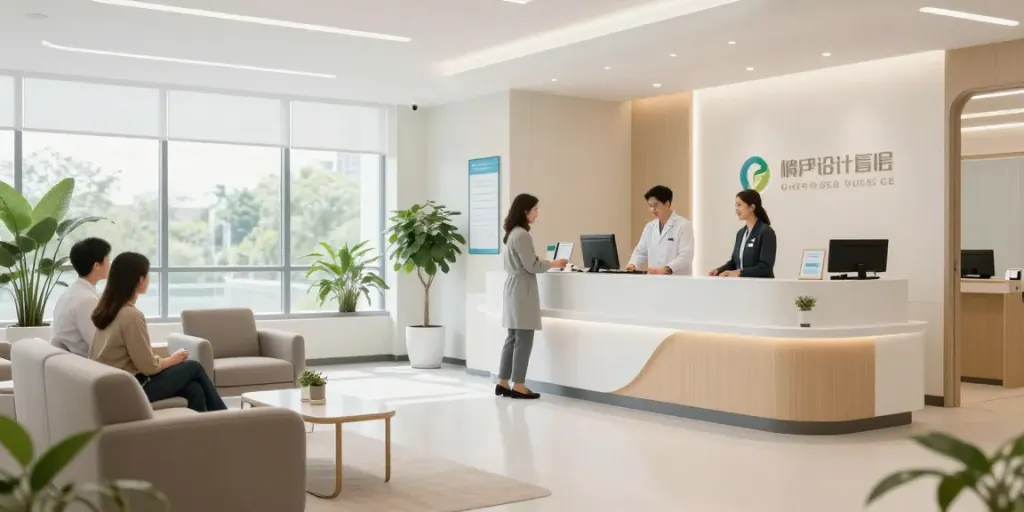
Understanding Healthcare Innovations and Their Impact
The healthcare industry is in a state of constant evolution, driven by technological innovations, patient-centered care approaches, and emerging trends in medical practices. With healthcare innovations shaping the way patients interact with providers and manage their own health, it is crucial for individuals to stay informed about these advancements. There are numerous platforms available to aid in this journey, such as the comprehensive offerings detailed on initiatives like link gacor, which serves as a valuable resource for those exploring their academic ambitions in the aviation field. Innovations in healthcare are intended not just to advance medical knowledge but to enhance the patient experience and facilitate better health outcomes.
Defining Key Innovations in Healthcare
Healthcare innovations encompass a broad spectrum of advancements, including new treatment protocols, technologies, and care delivery models. Key innovations often include telemedicine, wearable health technology, artificial intelligence for diagnostics and treatment plans, and personalized medicine tailored to individual genetic profiles. These innovations work synergistically to create more efficient healthcare systems and improve patient outcomes. As medicine progresses, understanding these innovations can aid patients in navigating their health journeys.
The Role of Technology in Patient Care
Technological advancements play a pivotal role in enhancing patient care. For instance, telemedicine has emerged as a vital tool, allowing patients to consult healthcare providers remotely. This has particularly accelerated during the COVID-19 pandemic when in-person visits were limited. Patients can now receive care via video consultations, submit health information through online portals, and utilize apps designed for personal health management. Such technological innovations expand access to care, making it easier for patients to seek timely medical attention and enhancing the overall healthcare experience.
Emerging Trends in Medical Services for 2026
Looking ahead to 2026, several key trends are expected to dominate the healthcare landscape. This includes increased use of artificial intelligence in diagnostics and treatment planning, the normalization of remote patient monitoring through wearable devices, and a stronger emphasis on mental health services. Furthermore, a growing focus on preventative care measures, such as routine screenings and vaccinations, is set to shape future healthcare policies and practices. As individuals become more health-conscious, understanding these trends will empower them to make informed healthcare decisions.
Engagement Strategies for Patients in a Digital Age
In this digital age, the patient engagement landscape has transformed dramatically. Employing innovative engagement strategies ensures that patients remain informed, connected, and proactive about their health. As technology advances, so too must the methods by which healthcare providers connect with their patients.
Telemedicine: Expanding Access to Care
Telemedicine has revolutionized how healthcare services are accessed. Patients can enjoy increased accessibility to specialists geographically distant from their homes, providing opportunities for those in remote areas or with mobility limitations. Telehealth consultations can address a wide range of healthcare issues, from routine check-ups to chronic disease management, making healthcare more inclusive and convenient.
Patient Portals and Their Benefits
Patient portals enhance patient engagement by allowing individuals to access their health information conveniently. These secure online platforms enable patients to view lab results, schedule appointments, and communicate directly with healthcare providers. Such tools not only provide patients with autonomy over their health management but also foster an ongoing relationship between patients and healthcare professionals, further enhancing trust and communication.
Using Apps for Personal Healthcare Management
Mobile health applications have surged in popularity, empowering patients to take control of their health. These applications can track symptoms, medication schedules, and lifestyle habits. By fostering greater awareness and accountability, health apps can lead to better adherence to treatment plans and overall health management. Patients should consider integrating these technologies into their routines to optimize their health outcomes.
Building Trust in Healthcare Relationships
Trust is a cornerstone of effective healthcare relationships. It fosters open communication, encourages patients to share their concerns, and enhances treatment compliance. Building trust involves transparency, education, and personalized patient engagement.
Importance of Transparency in Patient Care
Transparency in patient care covers all aspects of treatment, including potential risks and benefits, costs, and expected outcomes. Healthcare providers who clearly communicate these aspects can cultivate trust with their patients. Informed patients are more likely to adhere to treatment protocols and engage actively in their healthcare journeys, leading to improved satisfaction and outcomes.
Empowering Patients Through Education
Health literacy plays a crucial role in patient empowerment. Educating patients about their conditions, treatment options, and preventive measures equips them to make informed decisions. Healthcare providers should prioritize patient education as part of their care delivery, ensuring that information is easily accessible and understandable. This empowers patients to take an active role in managing their health and enhances overall healthcare effectiveness.
Clinical Trials and Community Engagement
Participation in clinical trials allows patients to access cutting-edge treatments and contribute to medical research. By engaging in community health initiatives, patients can also foster a sense of belonging and support networks, making healthcare a more collaborative effort. Understanding the benefits of such participatory roles can inspire patients to engage actively with their healthcare providers.
Preventive Health Practices and Their Importance
Preventive health practices are vital to maintaining overall health and preventing chronic diseases. Early detection often leads to better health outcomes, making it essential for individuals to prioritize preventive measures in their healthcare journeys.
Screenings: What You Need to Know
Regular screenings for specific conditions such as diabetes, hypertension, and cancers can lead to early diagnosis and treatment. The frequency and type of screenings may vary according to age, gender, and personal health history. Patients should consult their healthcare providers to determine the appropriate screening schedule tailored to their needs.
Vaccination Trends in 2026
Vaccination remains a cornerstone of public health, helping to prevent the spread of infectious diseases. With ongoing advancements and research, vaccination strategies are continuously evolving. In 2026, we expect to see broader adoption of personalized vaccination plans, taking into account individual health profiles and community health needs.
Nutrition and Lifestyle Medicine: A Path to Wellness
Integrating nutrition and lifestyle choices into healthcare can significantly impact overall well-being. By emphasizing balanced diets, regular physical activity, and mental health awareness, individuals can enhance their quality of life. Healthcare professionals should promote lifestyle medicine alongside conventional therapies to cultivate a more holistic approach to patient care.
The Future of Specialized Medical Services
As we advance into an increasingly complex healthcare system, specialized medical services are evolving to meet varied patient needs. Understanding these changes can help patients navigate their treatment options and advocate for their health.
Innovations in Chronic Disease Management
Chronic diseases pose significant challenges to patients and healthcare systems. Innovations such as remote monitoring technologies, personalized medicine, and intensive care coordination are transforming chronic disease management. Patients are encouraged to engage with their healthcare teams actively, utilizing these innovations to manage their conditions effectively.
Advancements in Mental Health and Well-being
Greater awareness of mental health has led to significant advancements in treatment options. This includes increased access to mental health resources via telehealth, innovative therapies, and integrated care models. Prioritizing mental health is essential for overall wellness, and patients should seek out available resources and support networks to enhance their mental well-being.
Rehabilitation and Physical Therapy Innovations
The field of rehabilitation continues to evolve, with innovations such as robotic-assisted therapy, advanced modalities, and tele-rehabilitation gaining traction. These advancements not only improve recovery outcomes but also provide patients with more flexible and accessible treatment options. Active participation in rehabilitation processes leads to better recovery trajectories and overall health satisfaction.